

Biofilms represent a substantial challenge to treating bacterial infections, contributing to antibiotic resistance, inflammatory responses, reduced antibiotic efficacy and poor clinical outcomes. But as we understand more about the structure and mechanisms of the biofilm, we are beginning to uncover important insights that could help us deliver effective new interventions.
One important discovery from early studies of biofilm biology is that once bacteria have been released from the protective biofilm environment, they are more sensitive to antibiotic intervention and to the immune system. So our goal is to collapse the biofilm and spur this release as effectively as possible to optimize the success of both antibiotic regimens and our natural immune system’s abilities to resolve infection.
Now, a newly published study in Biofilm offers an important therapeutic consideration: bacteria are phenotypically different depending on how they are released from the biofilm. This is important because in order to combat the challenge of resistance, we need to maximize bacterial receptivity to antibiotics or other antimicrobials, and that means using the most effective approach to destroy the biofilm such that the newly released bacteria (or NRel phenotype) are fully sensitive to a range of interventions.
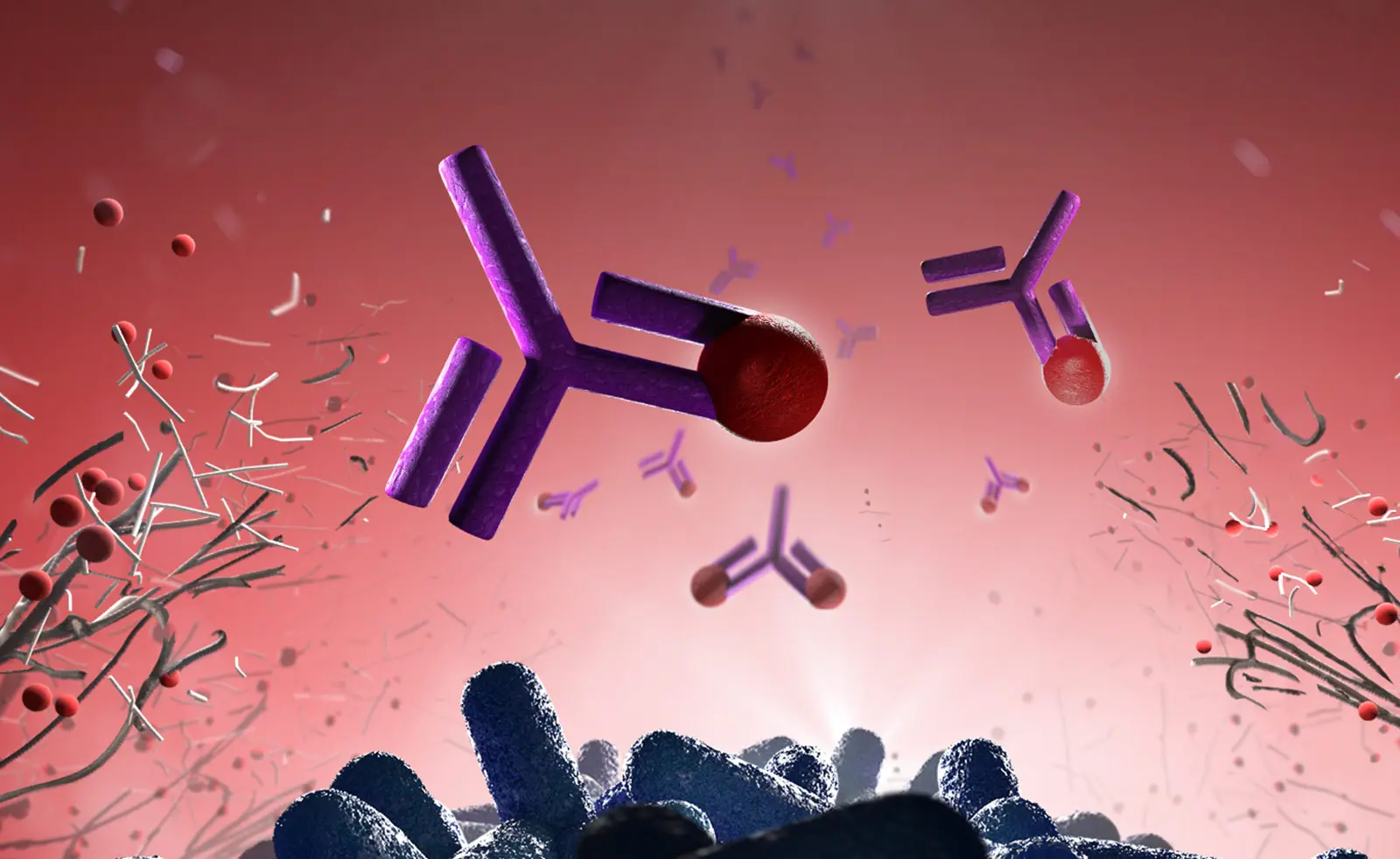
This illustrates the potential of Clarametyx’s antibody anti-biofilm therapy platform. In the study, this immune-enabling antibody therapy rapidly destroyed the biofilm by targeting and removing critical linchpin proteins in the protective matrix scaffolding. This rapid action shocked NRel bacteria (nontypeable Haemophilus influenzae), rendering it extremely vulnerable to attack.
With the understanding that the method to dismantle the biofilm influences the phenotypic characteristics of the NRel bacteria, we can now begin to evaluate the sensitivity to different types of attack. Publications on our research have illustrated how this technology works across a wide range of pathogenic bacteria, and results in improved effectiveness using a variety of antimicrobial interventions. But we also believe this may enable a more effective innate immune response, meaning the body’s own immune system can clear these infections if the biofilms are effectively destroyed. More studies will help us understand why.
As the global infectious disease community struggles with the formidable challenge of antibiotic resistance, technologies like this anti-biofilm approach represent entirely new scientific thinking that could represent disruptive solutions for the future that transform how we treat bacterial disease.